Steam Boiler Service Torrington CT
Torrington's oldest homes — the 1700s and 1800s colonials of Torringford, the pre-war buildings downtown — still heat with steam. And steam is a different discipline from hot-water heat: different controls, different piping rules, different water chemistry, different ways to fail. Steam boiler service in Torrington CT takes a specialist. Ember Heat is that specialist.
Torrington's oldest homes — the 1700s and 1800s colonials of Torringford, the pre-war buildings downtown — still heat with steam. And steam is a different discipline from hot-water heat: different controls, different piping rules, different water chemistry, different ways to fail. Steam boiler service in Torrington CT takes a specialist. Ember Heat is that specialist.
Steam system need attention? Call (860) 650-9760
Many heating companies quietly avoid steam. The knowledge is rarer and misdiagnosis is easy — a tech who treats a steam boiler like a hot-water boiler gets it wrong. We work on steam regularly: proper water level, correct pressure, clean dry steam, and condensate that actually makes it back to the boiler.
If your home has big cast-iron radiators that hiss, a boiler with a glass tube showing the water level, and pipes sloping back to the basement — you've got steam. Here's how we keep it running.
How Steam Heat Works (Briefly)
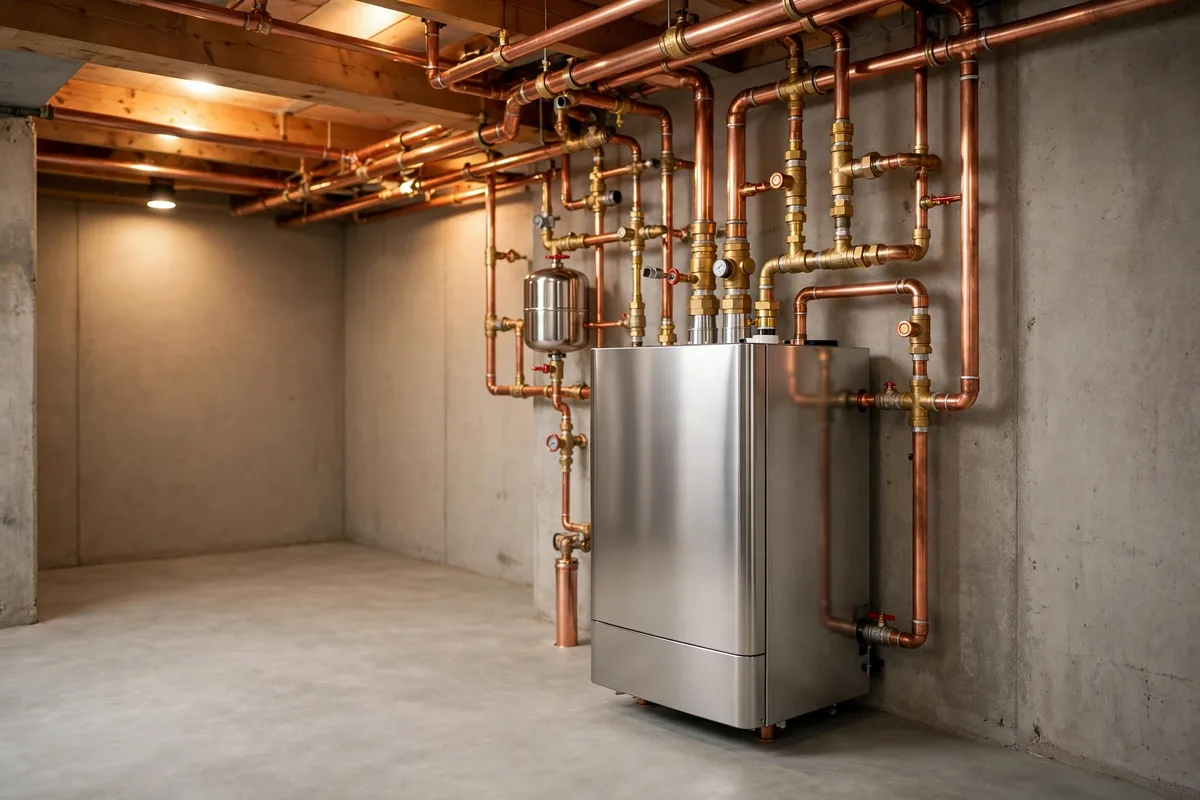
A steam boiler heats water past boiling. Steam rises through the pipes to the radiators, gives up its heat, condenses back to water, and drains back to the boiler by gravity. No pump needed for the steam side — it's elegant, it's been working for a century, and when it's right, it's wonderfully comfortable heat.
The critical difference from hot-water systems: a steam boiler must never run dry. Without water to absorb the burner's heat, the cast iron overheats and cracks. That's why steam boilers have a low-water cutoff that shuts the burner down if the water drops too low — the most important control on the system, and it needs regular testing.
Water: Level, Chemistry, and Care
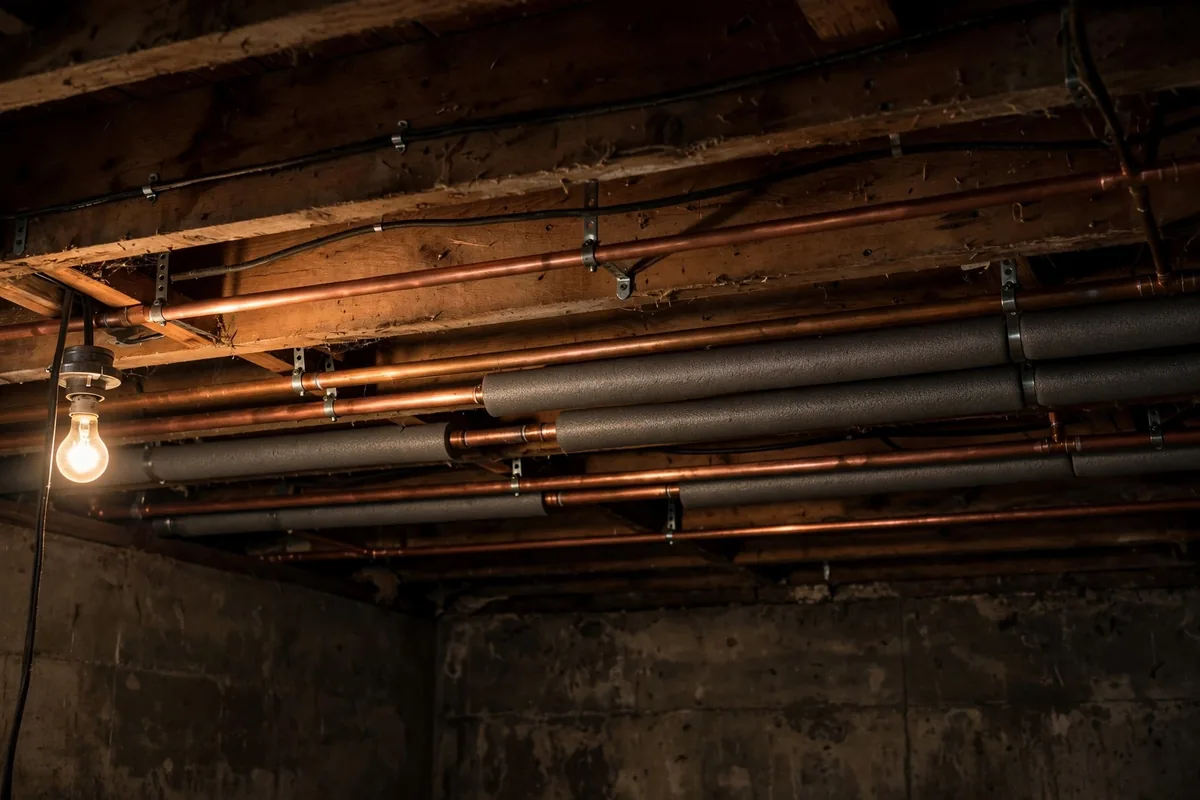
Steam boiler water isn't "set and forget" — it's a maintenance item.
Water level. The sight glass on the boiler's side shows the water line — it should sit steady around the middle. A bouncing, surging water line means trouble, usually oil contamination or bad water chemistry. A steadily dropping level means a leak or excessive venting.
Skimming. New boilers — and serviced old ones — need skimming: slowly draining surface water to remove the oils and residues from manufacturing and thread compounds. Oily water foams and surges, carrying water up into the steam mains. If your steam system surges, bangs, or spits water from air vents, contaminated water is suspect number one.
pH and treatment. Steam boiler water should be mildly alkaline. Acidic water corrodes the boiler from the inside; we test pH and treat accordingly.
Feeding. Steam systems lose some water to venting — that's normal. But a boiler that needs frequent manual feeding has a leak: a bad air vent, a cracked radiator valve, or a hidden pipe leak. And every gallon of fresh makeup water brings oxygen and minerals that shorten boiler life — so finding the leak matters twice.
Water level dropping? Call (860) 650-9760
Pressure: Less Is More
Here's what surprises most steam homeowners: your system should run at very low pressure — typically 1 to 2 psi. A pressuretrol set too high is one of the most common steam problems we find: it wastes fuel, hammers the system, and blows air vents prematurely.
We set and verify pressuretrol cut-in and cut-out at proper low-pressure settings, check the gauge's accuracy (old steam gauges lie — we verify against a known-good gauge), and make sure the system isn't fighting itself. If your steam heat has always been violent and fuel-hungry, incorrect pressure is the first thing we check.
The Hartford Loop and Near-Boiler Piping
The Hartford loop is a specific piping arrangement near a steam boiler that prevents the boiler from draining if a wet return springs a leak. On older installations, it's sometimes piped wrong or missing. We inspect near-boiler piping on every steam service: correct header sizing, proper Hartford loop, and returns pitched the right way.
This is also where many steam problems originate. An improperly piped header throws wet steam into the mains — causing water hammer, uneven heat, and surging. Repiping a header correctly transforms a problem system. It's exacting work, and it's one of the highest-value fixes in steam heating.
Common Steam Problems We Solve
Banging and water hammer. Condensate pooling in steam mains gets picked up by incoming steam and slammed into fittings at high speed. Causes include sagged pipes, failed traps, improper pitch, or wet steam from bad near-boiler piping. It's loud, it's destructive, and it's fixable.
Uneven heat. Some radiators roaring, others stone cold. Usually failed air vents — steam can't enter a radiator full of air. We replace failed vents, correctly sized, because venting rate determines how fast each radiator heats.
Surging water line. Oily water, overfilling, or excessive pressure. Skimming, proper fill level, and correct pressuretrol settings resolve it.
Constant low-water shutdowns. The low-water cutoff keeps tripping. Either the water really is dropping (leak, over-venting) or the cutoff is fouled and needs cleaning. A safety device that's crying wolf gets ignored — and that's when dry-firing happens.
Rumbling boiler / high fuel use. Sooted fireside surfaces, incorrect burner setup, or excessive pressure. A steam boiler tune-up addresses all three.
Steam trouble? Call (860) 650-9760
Steam Boiler Replacement
When a steam boiler is truly done — cracked sections, a rotted-out fireside — replacement is a specialist job. The new boiler must be sized to the connected radiation (the EDR of your radiators), not to the house's heat loss like a hot-water boiler. Near-boiler piping must follow steam rules, not hot-water habits.
Frequently Asked Questions
How is a steam boiler different from a hot-water boiler?
A steam boiler boils water into steam that rises to radiators on its own; a hot-water boiler circulates heated water with a pump. Steam runs at very low pressure (1–2 psi) and has unique components — pressuretrols, sight glasses, air vents, and Hartford loops.
Why do my steam radiators bang?
Water hammer — condensate in the steam pipes getting hurled by incoming steam. Common causes: sagged pipes, failed traps or vents, or wet steam from bad near-boiler piping. It's fixable, but it needs steam-specific diagnosis.
How often should I check the water level?
Glance at the sight glass weekly during heating season. The level should be steady around the middle. If it's dropping regularly, bouncing wildly, or the low-water cutoff keeps tripping, call us — something needs attention.
My steam boiler uses a lot of fuel. Is that normal?
Many steam systems run at too-high pressure with poor venting and sooted firesides — all fuel wasters. A proper steam tune-up (correct pressure, clean fireside, good venting) often makes a noticeable difference.
Can you convert my steam system to hot water?
It's possible but rarely advisable — it's a major project, and a properly serviced steam system heats beautifully. We'd need a compelling reason to recommend conversion over a correct steam replacement.
Do steam boilers need annual maintenance?
Yes. Fireside cleaning, burner service, low-water cutoff testing, pressuretrol verification, and water chemistry checks — steam has more maintenance touchpoints than hot-water systems, and neglecting them shortens boiler life.
Steam Done Right
A well-maintained steam system is quiet, even, and efficient — the way it was designed to run. If yours isn't, we know why, and we know how to fix it.
Call Ember Heat: (860) 650-9760 215 E Main St, Torrington, CT 06790
No heat? Call Ember Heat.
Boiler repair, installation, and maintenance across Torrington, Connecticut — diagnosed properly, explained plainly, fixed right.