Boiler Maintenance Torrington CT
Your boiler sits idle for six months, then gets asked to run hard from October through April — through January nights in the teens and 47 inches of Litchfield County snow. An annual tune-up is what stands between you and a no-heat call in February. Ember Heat's boiler maintenance in Torrington CT keeps your system clean, safe, and efficient before heating season starts.
Your boiler sits idle for six months, then gets asked to run hard from October through April — through January nights in the teens and 47 inches of Litchfield County snow. An annual tune-up is what stands between you and a no-heat call in February. Ember Heat's boiler maintenance in Torrington CT keeps your system clean, safe, and efficient before heating season starts.
Schedule your fall tune-up: (860) 650-9760
Here's the pattern we see every year: boilers fail in October and November, right after startup, or in January under sustained load. Both failure windows are preventable. A boiler that was cleaned, tested, and tuned in September doesn't surprise you in February. Maintenance is the cheapest heating insurance you can buy — a tune-up costs a fraction of an emergency repair, and it catches the small problems before they become big ones.
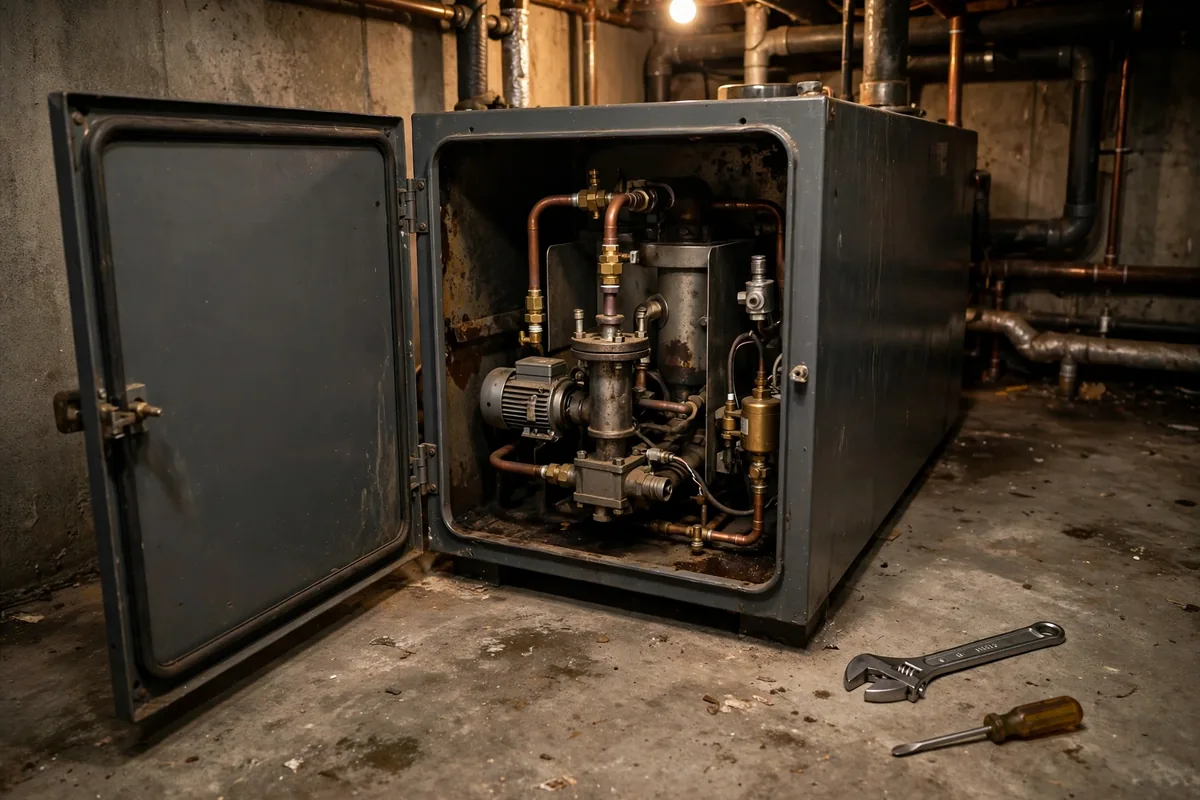
What a Real Tune-Up Includes
Not all "tune-ups" are equal. A tech who spends fifteen minutes and leaves hasn't maintained anything. Here's what our annual maintenance visit actually covers:
Burner service. The burner comes apart: cleaned, inspected, and reassembled. On oil burners, that means a new nozzle (nozzles wear and distort the spray pattern — annual replacement is standard practice), a new oil filter, and cleaning the electrodes, retention head, and heat exchanger surfaces. A dirty burner wastes fuel and soots up the boiler; a clean one burns efficiently.
Combustion check. We test the burner's combustion with proper instruments — checking efficiency, CO levels, and draft. This isn't guesswork; it's measured. If combustion is off, we adjust the burner to bring it back. Poor combustion wastes your fuel money and, in the worst case, produces dangerous carbon monoxide.
Controls and safeties. Aquastats, pressuretrols (steam), thermostats, zone valves, circulators — every control gets tested to confirm it actually does its job. Safety devices get special attention: the pressure relief valve, the low-water cutoff on steam boilers, and the backflow preventer. These are the components that prevent damage and danger. They get verified, not assumed.
System inspection. Expansion tank condition and charge, pressure readings, visible piping and valves, flue and venting condition. On steam systems, we check the sight glass, skim the water if it's oily, and test water pH. We also look at the whole picture: is the boiler short-cycling? Are zones balanced? Is anything weeping that wasn't weeping last year?
Plain-English report. When we're done, you get a straight explanation of what we found: what's fine, what to watch, and what needs attention — with honest priorities. Not everything we note needs fixing today, and we'll tell you the difference.
Book before the rush: (860) 650-9760
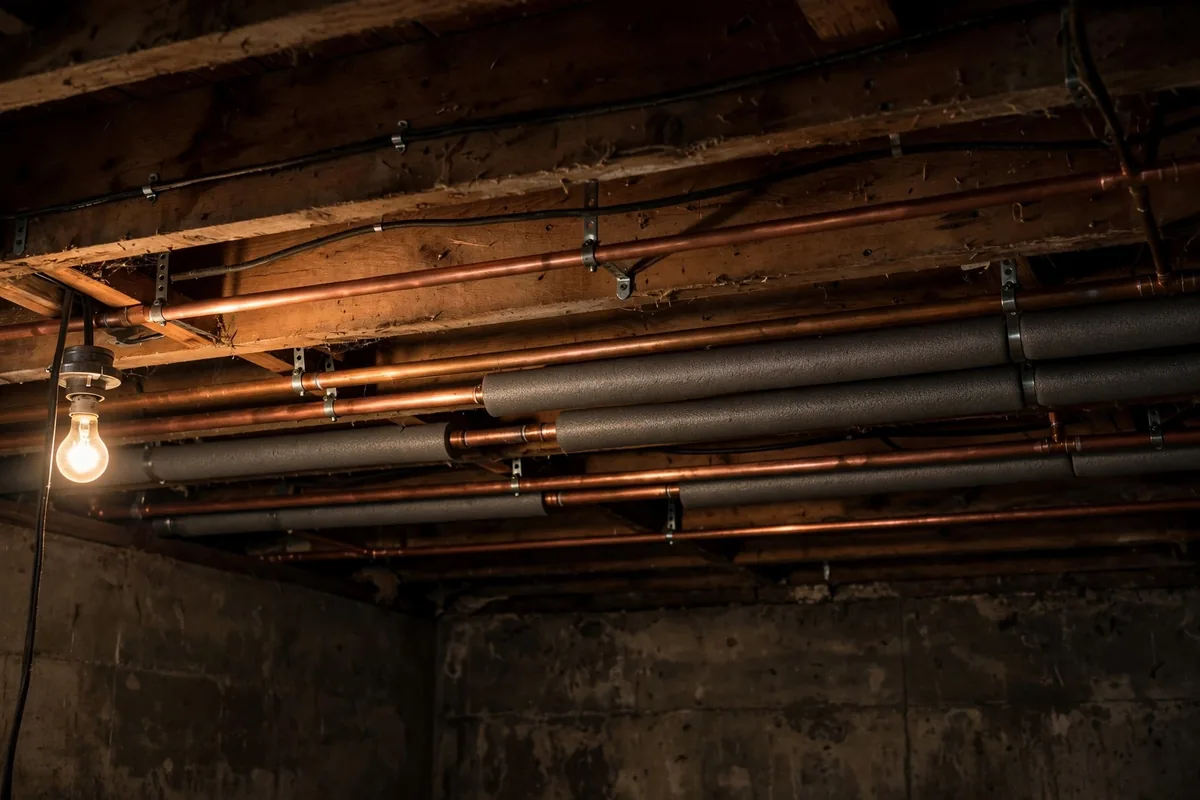
Fall Timing: Why September and October
Heating season in northwest Connecticut effectively runs October through April, and the first cold snap usually lands in October. That's when every neglected boiler in Torrington tries to wake up at once — and when our schedule fills fastest.
September and early October are the sweet spot: mild weather, flexible scheduling, and any parts your boiler needs are readily available. Wait until the first 30-degree night and you're competing with every other homeowner whose boiler just quit.
Oil Systems Need It Most
Oil burners demand annual service more than any other boiler type — it's not optional, it's the nature of the equipment. The nozzle that atomizes the oil wears with every firing hour. The filter collects sludge and debris from the tank. Soot builds on heat exchanger surfaces and insulates them from the water they're supposed to heat. Skip a year and efficiency drops measurably; skip two and you're inviting a no-heat call.
Gas boilers are more forgiving but not maintenance-free: burners still need cleaning, heat exchangers still need inspection, and controls and safeties still need testing. Annual service applies to every boiler — oil just punishes neglect faster.
What Maintenance Prevents
Let's be specific about what a tune-up actually heads off:
- No-heat calls from clogged nozzles, failed igniters, and dead controls — the most common winter failures, and the most preventable.
- Kettling and efficiency loss from scale and soot insulating the heat exchanger. A clean boiler transfers heat; a dirty one wastes fuel.
- Relief valve discharge from waterlogged expansion tanks and creeping pressure — caught on a gauge during maintenance, not on your basement floor in January.
- Carbon monoxide risk from poor combustion or blocked venting. The combustion test isn't just about efficiency — it's a safety check.
- Premature replacement. A maintained cast-iron boiler routinely runs 20+ years. A neglected one dies young. Maintenance is the difference.
Protect your winter: (860) 650-9760
Maintenance Is Not a Repair Plan
Honest note: a tune-up doesn't fix a broken boiler. If your system already has a failed circulator, a cracked section, or a dead control, maintenance won't resurrect it — that needs a repair visit. What maintenance does is keep a working boiler working and catch developing problems early.
If your boiler hasn't been serviced in years, tell us when you call. We'll approach it as a deep-cleaning and full assessment — and we'll be straight with you about anything we find that goes beyond maintenance.
Frequently Asked Questions
How often does my boiler need maintenance?
Once a year, every year, ideally in the fall before heating season. Oil boilers especially — annual nozzle and filter service is standard practice, not upselling.
What's the difference between maintenance and a repair?
Maintenance is preventive: cleaning, testing, tuning, and inspecting a working system. Repair is corrective: fixing something that's already failed. If your boiler is running fine, you need maintenance. If something's broken, you need a repair — and we'll tell you which one applies.
My boiler is only a few years old. Does it still need annual service?
Yes. New boilers need less corrective work, but burners still soil, combustion still drifts, and safeties still need testing. Annual service also keeps you familiar with your system's condition — so nothing surprises you in year eight.
Can maintenance really prevent breakdowns?
It prevents the preventable ones, which are the majority: clogged nozzles, dirty flame sensors, failed igniters, waterlogged expansion tanks, air-bound zones. No tune-up prevents every failure — parts do wear out — but maintained boilers break down far less, and when they do, it's usually smaller.
Do you service steam boilers?
Yes. Steam maintenance includes everything hot-water systems get, plus sight glass and low-water cutoff testing, pressuretrol checks, and water chemistry — skimming oily water and checking pH. Steam needs a specialist's maintenance routine, and that's what we do.
What if you find a problem during maintenance?
We tell you what it is, why it matters, and what it takes to fix — then you decide. Some findings are "watch it," some are "fix it soon," and some are "fix it now." We'll give you the honest priority, not a scare pitch.
Book Your Tune-Up Before the Cold
Every October, our schedule fills with tune-ups — and every November, it fills with the breakdowns that tune-ups would have prevented. Be in the first group.
Call Ember Heat: (860) 650-9760 215 E Main St, Torrington, CT 06790
No heat? Call Ember Heat.
Boiler repair, installation, and maintenance across Torrington, Connecticut — diagnosed properly, explained plainly, fixed right.