Serving the East End — Boiler Repair & Installation
Torrington's East End is post-war suburbia: 1950s and 60s ranches, Cape Cods, and split-levels built when hydronic baseboard was the modern way to heat a home. Thousands of these houses still run their original-era boilers — or the first replacement, now aging itself. That makes the East End Torrington's prime boiler-replacement market, and Ember Heat knows these systems inside out.
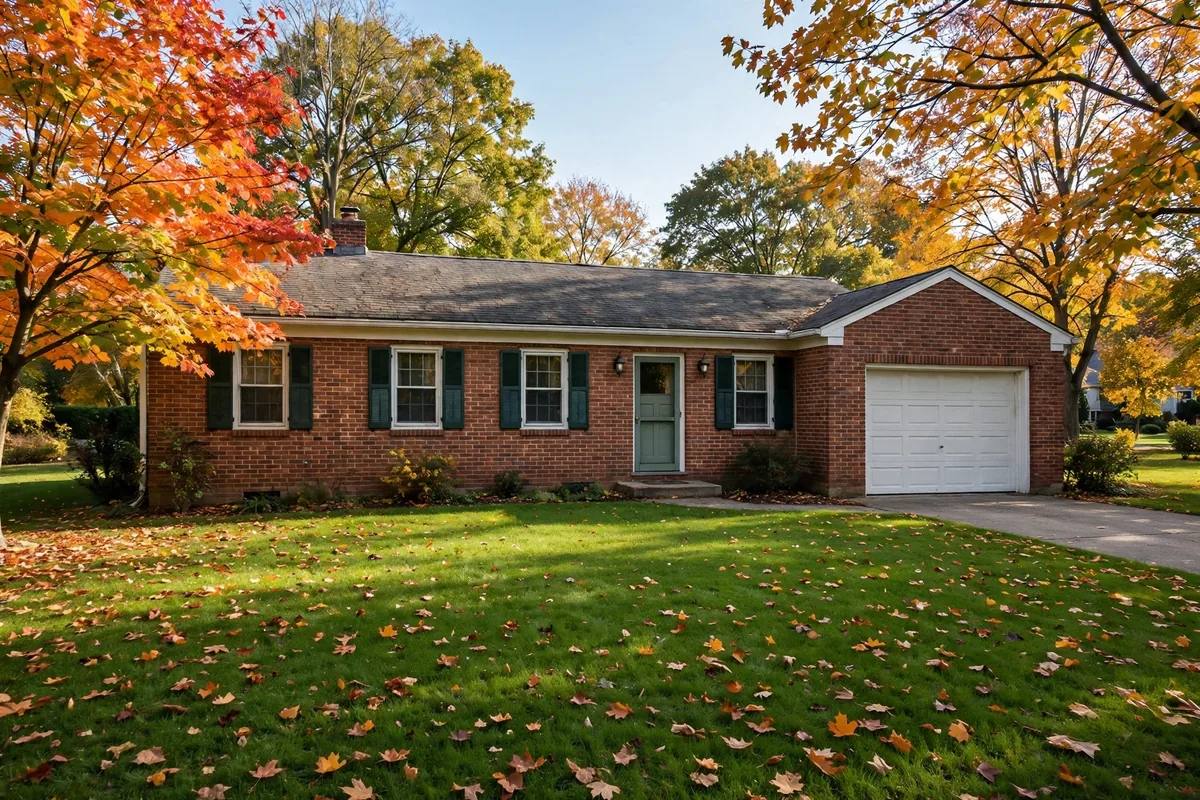
Torrington's East End is post-war suburbia: 1950s and 60s ranches, Cape Cods, and split-levels built when hydronic baseboard was the modern way to heat a home. Thousands of these houses still run their original-era boilers — or the first replacement, now aging itself. That makes the East End Torrington's prime boiler-replacement market, and Ember Heat knows these systems inside out.
East End boiler trouble? Call (860) 650-9760
Mid-Century Hydronic: What You're Working With
The East End's heating story is the story of the American post-war boom. Builders installed compact oil-fired (and later gas) boilers feeding copper-and-finline baseboard — efficient for its day, simple, and reliable. Sixty-plus years later, here's what's in those basements:
Original or first-replacement boilers. Many East End homes are on their second boiler — installed in the 1980s or 90s to replace the 1950s original. That second boiler is now 30–40 years old itself: past its prime, losing efficiency, and living on borrowed time. If your boiler dates to the Reagan administration, start planning.
Baseboard distribution. Fin-tube baseboard was the standard emitter, and it lasts — the copper and aluminum fins don't wear out. What fails are the valves, the air vents, and the piping connections. The distribution usually outlives the boiler, which is good news at replacement time.
Single-zone or simply zoned. Many East End ranches were built as a single zone; some were later split into two (living areas and bedrooms). Zone valves or circulators added during retrofits are now aging components themselves — a dead zone in an East End ranch is usually a valve, not the boiler.
The Replacement Wave
Here's the honest math for East End homeowners: if your boiler is 25+ years old, you're not deciding whether to replace it — you're deciding when. The question is whether you plan it or let January decide for you.
A planned replacement means: time to get the sizing right with a real heat-loss calculation, time to choose between standard cast iron and high-efficiency condensing, time to address the distribution (valves, expansion tank, air elimination) while the system is open, and installation on your schedule — not during a cold snap with emergency pricing pressure.
An unplanned replacement means: the boiler dies in February, and you take whatever can be installed fastest. The work still gets done, but you lose every advantage of planning.
The efficiency angle matters too. A 1980s boiler at 75–80% combustion efficiency versus a modern unit at 80–84% AFUE (cast iron) or 90%+ (condensing) — over a Litchfield County winter with January lows in the teens, that gap shows up in every fuel bill for the next twenty years.
Planning a replacement? Call (860) 650-9760
What Replacement Involves in an East End Home
Good news: East End replacements are usually straightforward. The houses are accessible, basements are workable, and the baseboard distribution typically stays. A standard job looks like this:
We assess the house — heat-loss calculation, existing distribution condition, fuel situation (oil or gas?), chimney or venting options. We size the boiler to the house, not to the old unit's rating — and the old unit was very likely oversized, because that was standard practice when it was installed. Correct sizing alone often cuts fuel use noticeably.
On installation day: old unit out, new unit set and piped to the existing baseboard loops, fuel connected, venting run, controls wired, system filled and purged of air, burner fired and combustion-tuned. We also handle the while-we're-in-there items: expansion tank, pressure relief valve, zone valves, and any radiator valves that have been weeping for years.
One administrative note: boiler replacement usually requires a permit and inspection in Torrington. We'll explain exactly what's required for your job before work begins — it's routine, and it's there to protect you.
Keep It Running: Maintenance for Mid-Century Systems
If your East End boiler still has years left, annual maintenance is what gets you those years. Fall tune-up: burner cleaned, nozzle and filter replaced on oil units, combustion tested and tuned, controls and safeties checked, expansion tank and relief valve inspected. On a 30-year-old boiler, this isn't optional pampering — it's what stands between you and a February no-heat call.
Watch for the warning signs that maintenance is overdue: rising fuel use, new noises (kettling means scale on the heat exchanger), pressure gauge drifting, relief valve weeping, or the burner locking out. Any of these deserves a service call before heating season peaks.
Schedule a tune-up: (860) 650-9760
Oil in the East End
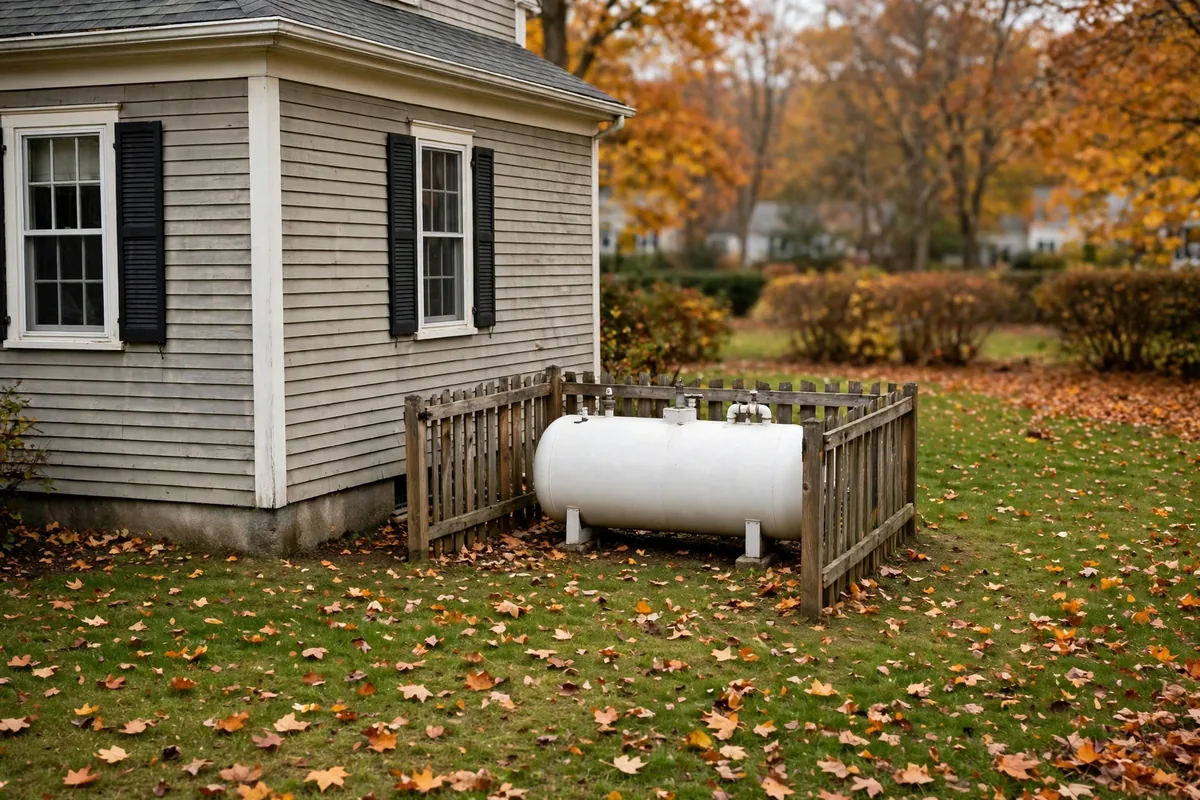
Much of the East End heats with oil — a legacy of the neighborhood's build era and the patchy gas infrastructure. If you're oil-heated, annual burner service is non-negotiable: nozzle, filter, cleaning, combustion tuning, every fall. We also check your tank — many East End basement tanks are as old as the houses, and a 60-year-old tank deserves professional eyes on it.
If gas is available on your street and you're weighing conversion at replacement time, we'll lay out the real comparison: conversion costs, fuel economics, and what makes sense for your house. No pitch — just the numbers as they apply to you.
Frequently Asked Questions
My East End boiler is from the 1980s and still runs. Should I replace it now or wait?
Start planning now. A 35–40-year-old boiler is past its design life — it can keep running, but every heating season is a gamble, and efficiency has degraded. Planning the replacement lets you size correctly, choose the right unit, and schedule at your convenience instead of in a February emergency.
Will a new boiler work with my existing baseboard?
Yes — baseboard is just a heat emitter and doesn't care what heats the water. We'll inspect your loops, valves, and piping during installation and fix what's worn while the system is open. The distribution in most East End homes is perfectly serviceable.
How do I know what size boiler my ranch needs?
With a heat-loss calculation — accounting for your home's square footage, insulation, windows, and air leakage against Torrington's winter design temperatures. Rule-of-thumb sizing (or matching the old boiler) is how oversized, short-cycling installations happen. We calculate; we don't guess.
Is it worth switching from oil to gas when I replace?
It depends on whether gas is available on your street and what the conversion costs. Gas eliminates the tank and deliveries; oil lets you shop fuel prices and avoids conversion expense. We'll price both paths honestly for your specific house so you can compare real numbers.
Serving Torrington's East End
Ranches, Capes, and split-levels with mid-century hydronic heat — the East End is boiler country, and Ember Heat is its boiler company. Repair, maintenance, and right-sized replacements.
Call Ember Heat: (860) 650-9760 215 E Main St, Torrington, CT 06790
Serving East End
Ember Heat serves East End and the surrounding Torrington neighborhoods with boiler repair, installation, and maintenance.
No heat? Call Ember Heat.
Boiler repair, installation, and maintenance across Torrington, Connecticut — diagnosed properly, explained plainly, fixed right.